
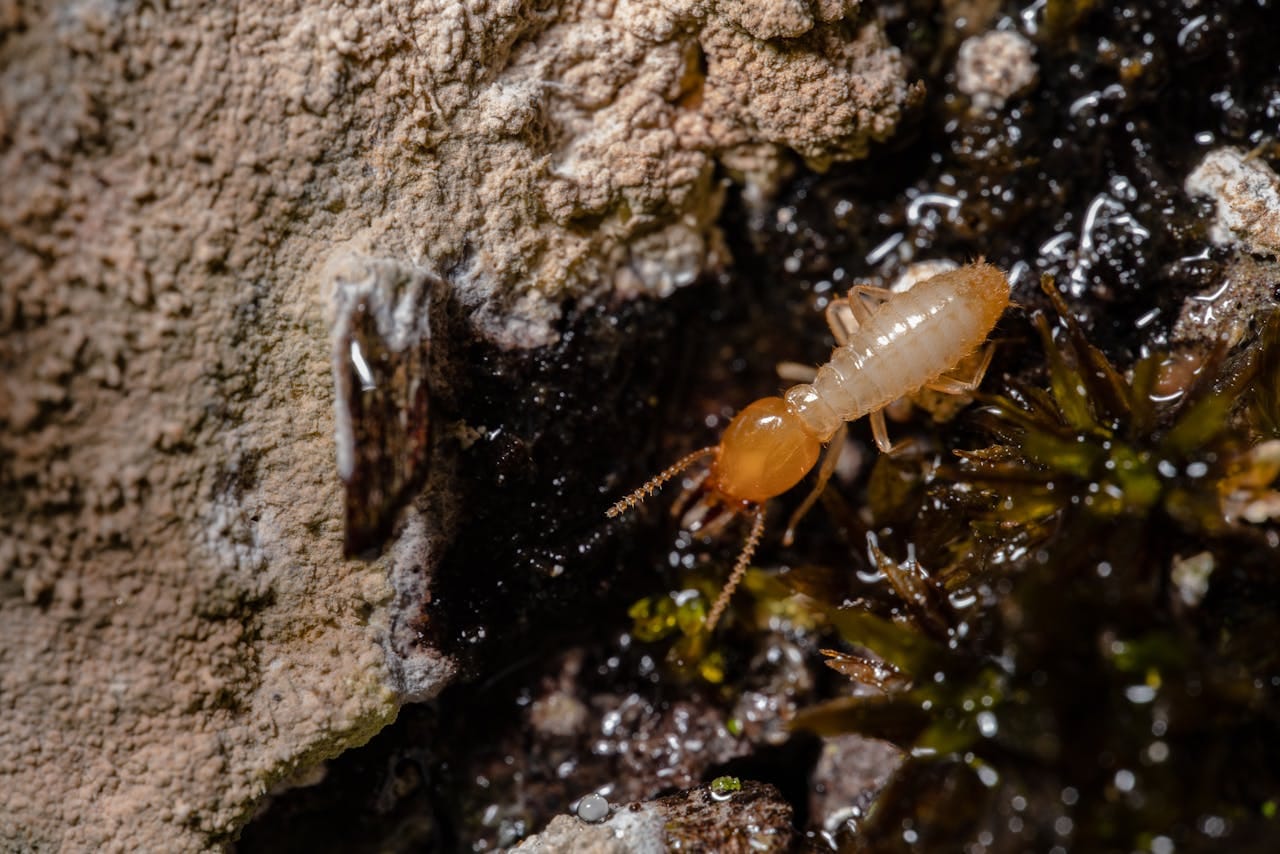
Learn the top signs of termite infestations in Los Angeles and Southern California. Catch damage early with expert tips and inspections to protect your home.
Termites are one of the most destructive pests in Southern California. In Los Angeles, Long Beach, Anaheim, and other SoCal cities, these silent invaders can go unnoticed until costly damage occurs. Knowing how to spot termite infestations early is key to protecting your home and investment.
This guide will help you recognize the common signs of termites in Southern California and give you practical inspection tips so you can act before repairs become expensive.
Common Signs of Termite Infestations in Los Angeles Homes
Identifying Structural Damage and Mud Tubes
One of the most telltale signs of termite presence is unexplained structural damage, especially to wood elements like door frames, window sills, and floorboards. Termites consume wood from the inside out, so surfaces may appear hollow or have blistering. In Los Angeles homes, where wood-framed construction is common, this damage can escalate quickly if untreated.
Another clear indicator is the presence of mud tubes or tunnels. Termites build these narrow, dirt-covered pathways to travel between their nests and food sources while staying protected from open air. These mud tubes often appear along foundations, crawl spaces, and exterior walls. Homeowners in places like Thousand Oaks and Huntington Beach should inspect the foundation regularly, as termites thrive in the warm, humid coastal climate.
Also watch for tiny piles of wings near windowsills or doors. Swarming termites shed their wings when they leave the colony to mate and start new colonies. Finding these discarded wings inside your home or near entry points in neighborhoods like Chino Hills can signal that termite colonies are nearby and expanding.
Discoloration and Bubbling of Painted Surfaces
Termites often cause subtle cosmetic signs before major structural damage occurs. Paint peeling, bubbling, or discoloration on walls and ceilings may indicate moisture buildup from termite activity or damage beneath the surface. Since Los Angeles homes often have stucco or painted wood exteriors, these signs can be an early warning that termites have breached the surface.
Careful inspection around door and window framing is essential. Termites sometimes create tiny holes or channels under the paint, which eventually lead to blistering as moisture accumulates. In Anaheim and Calabasas, where seasonal rains add moisture to the environment, these signs are common indicators of termite presence.
If you notice these paint abnormalities paired with a musty or damp smell inside your home, it’s time to take action. Early detection can prevent widespread damage and expensive remediation.
Unusual Sounds and Frass Deposits
In quiet moments, attentive homeowners might hear faint clicking or rustling sounds within walls or ceilings. These noises are produced by soldier termites banging their heads against tunnels to alert the colony of danger. If you live in a single-family home in Long Beach or a condominium in Thousand Oaks, paying attention to such unusual sounds could save you from a hidden infestation.
Additionally, termite droppings, known as frass, resemble tiny wood-colored pellets scattered near infested wood. Drywood termites often leave these piles near windows, door frames, or baseboards. Spotting frass is a strong sign of termite activity and should prompt immediate inspection.
Los Angeles’ dry climate means that frass deposits can accumulate visibly, especially in hidden or unused areas of your home. Regularly checking these spots can help catch infestations before they spread.
Quick Inspection Tips to Detect Termites Early in L.A.
Conducting a Routine Visual Check
Performing regular visual inspections is the easiest and most effective way to detect termites early. Focus on common entry points such as foundation walls, wooden decks, fence posts, and areas where wood touches soil. In Southern California suburbs like Huntington Beach and Calabasas, where termites can enter via landscaping or irrigation systems, particular attention to these zones is crucial.
Use a flashlight to inspect crawl spaces, attics, and basements where termites might hide. Tap wooden beams and flooring lightly with a screwdriver or hammer; hollow sounds can indicate termite damage beneath the surface. Look closely at wooden structures for any signs of blistering, holes, or mud tubes.
If you spot anything suspicious, don’t delay contacting a pest control professional. Early intervention in Los Angeles homes often results in more manageable treatments and less damage to your property.
Using Moisture Meters and Thermal Cameras
For homeowners who want to take their inspections a step further, investing in a moisture meter or hiring professionals equipped with thermal cameras can reveal hidden termite activity. Moisture meters detect damp wood, which often accompanies termite infestations, while thermal cameras highlight temperature differences caused by swarmers or large colonies inside walls.
These tools are especially useful in coastal areas like Long Beach and Anaheim, where moisture issues and termite presence frequently overlap. Early detection through technology allows for precise targeting of treatment areas, reducing the need for extensive fumigation or structural repairs.
Consider scheduling routine inspections with experts experienced in Los Angeles’ termite patterns to leverage this technology for your home’s protection.
Scheduling Professional Termite Inspections
Even with regular DIY checks, termites can remain hidden behind walls or under flooring. Scheduling a professional termite inspection annually or bi-annually is one of the best ways to ensure your home remains termite-free. Licensed inspectors in Los Angeles, Chino Hills, and Thousand Oaks have specialized knowledge of local termite species and their behavior patterns.
Many pest control companies offer comprehensive termite inspections, including detailed reports and treatment options tailored to your property. Often times they are Free of charge as well! Booking an inspection early, especially if you notice any signs discussed earlier, can save you thousands in repairs and stress later.
If you live in a termite-prone area or are buying a home in L.A. or nearby suburbs, don’t hesitate to arrange an inspection today. Protecting your home proactively is the smartest investment you can make.
Spotting termite infestations early in Los Angeles homes requires vigilance, knowledge, and routine inspections. By recognizing the common signs—from mud tubes and winged termites to paint bubbling and frass deposits—you can act quickly to prevent severe damage. Utilizing practical inspection tips like visual checks and professional tools enhances your ability to detect these pests before they spread. PestPals is a comprehensive tool helping to connect you to the help you need. I you are noticing the telltale signs of termite damage, quickly find access to reputable, well reviewed pest control companies near you and take action to protect your home!
FAQ
Q: When is termite season in Southern California?
A: Termites swarm most actively in spring and summer, but infestations can occur year-round due to the region’s mild climate.
Q: How much does a termite inspection cost in Los Angeles?
A: Many pest control companies offer free inspections, while paid inspections typically range from $75–$150. Compare companies here or use our free AI tool.
Q: How much does it cost to treat for termites?
A: Treatment costs vary on a case-by-case basis. Influencing factors include the extent of damage, the size of the home, and the products used.
Q: What’s the difference between drywood and subterranean termites?
A: Drywood termites infest dry wood above ground, while subterranean termites require soil contact and build mud tubes.
Q: How often should I get a professional termite inspection in SoCal?
A: At least once a year, or more often in coastal or high-risk areas.
Q: Can I prevent termites myself?
A: You can reduce risk by eliminating wood-to-soil contact, fixing leaks, and storing firewood away from your home—but professional monitoring is still recommended.
Q: Do termites only damage wood?
A: Primarily yes, but they can also damage paper, insulation, and even soft plastics while tunneling.